GPRTU DENIES OVERCHARGING CLAIMS, BLAMES UNREGULATED VEHICLES FOR FARE HIKES
Union says floating drivers, not registered members, responsible for passenger exploitation


The Ghana Private Road Transport Union (GPRTU) has rejected accusations that its members are deliberately overcharging passengers by creating artificial vehicle shortages, insisting that such practices are being carried out by unregulated operators.
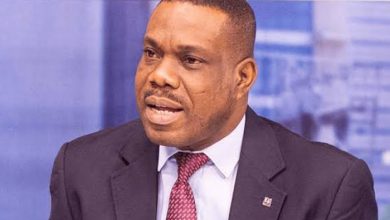
Speaking to Channel One TV on January 14, GPRTU National Secretary General Kofi Amoah responded to recent comments by Minister of State for Government Communication, Felix Kwakye Ofosu, who criticised commercial drivers for allegedly exploiting commuters during peak transport demand periods.
“These problems happening at the roadside, where passengers are stranded, and drivers take advantage to charge unapproved fares, involve vehicles that do not belong to the union. Most of these are floating vehicles,” Mr Amoah said.
He stressed that the GPRTU does not condone any breach of fare regulations and has not issued any directive instructing members to abandon stations or impose arbitrary charges.
Mr Amoah announced that the union has initiated internal monitoring mechanisms and will be deploying task forces to ensure compliance. “We will be hitting the streets with our task force to ensure that if our vehicles are found engaging in such practices, we will cause their arrest and impose sanctions,” he said.
He also encouraged the public to patronise vehicles from GPRTU-accredited stations, where drivers are mandated to adhere to approved routes and fare structures. “We encourage passengers to use these stations rather than catching vehicles from the roadside,” he added.
According to Mr Amoah, GPRTU-registered drivers are subject to union fees and regulatory checks that do not apply to independent operators, which, he said, makes it more difficult to monitor and regulate roadside activities.
The union’s response comes amid heightened tension in Accra’s transport sector, with growing public frustration over long waiting times, unapproved fare hikes, and limited access to scheduled bus services during rush hours.
Source:NKONKONSA.com