
NESTLÉ FIRES CEO LAURENT FREIXE OVER ALLEGED ROMANTIC AFFAIR WITH SUBORDINATE
Second chief executive ousted in a year plunges food giant into deep leadership crisis; Nespresso chief Philipp Navratil takes over

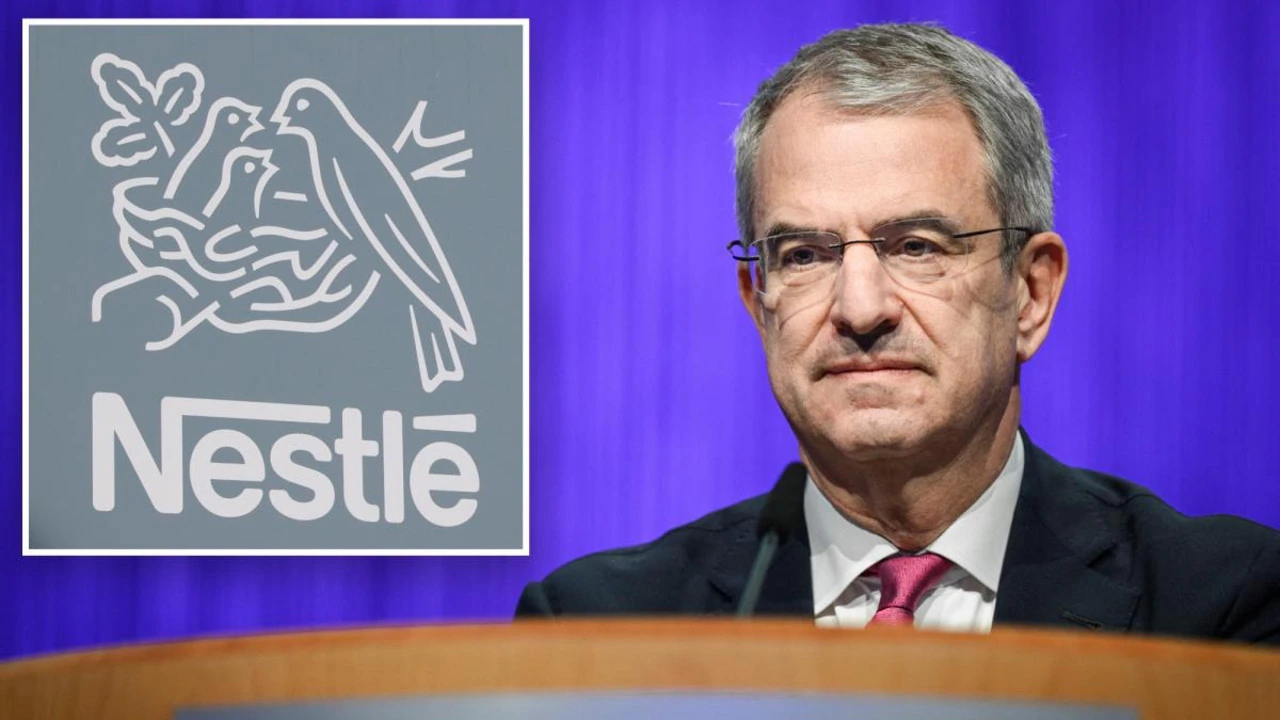
Nestlé has fired Chief Executive Officer Laurent Freixe after just one year in the role for failing to disclose a “romantic relationship” with a direct subordinate, marking the second CEO dismissal in a year and throwing the world’s largest food company into unprecedented leadership turmoil.
The Swiss conglomerate announced late Monday that an investigation confirmed Freixe had breached the company’s code of business conduct by not disclosing the relationship, which was first reported by employees through Nestlé’s internal “Speak Up” channel.
Freixe, who initially denied the relationship to the board, will receive no exit package after his 39-year career with the company. He has been replaced immediately by Nespresso chief Philipp Navratil, a rising star within the organization.
The sudden dismissal compounds Nestlé’s challenges, which include slowing sales, the impact of U.S. tariffs, and eroding investor confidence after years of underperformance. The company’s shares have lost nearly a third of their value over the past five years, with a 17% decline during Freixe’s brief tenure.
“This is of historic proportions for Nestlé,” said Ingo Speich, head of corporate governance at Deka, a top-30 Nestlé investor, referencing the loss of two CEOs and a chairman within a year.
The scandal places Nestlé among a growing list of major corporations where top executives have been ousted over undisclosed workplace relationships, following similar cases at BP and McDonald’s.
Corporate governance expert Peter V Kunz from the University of Bern called Freixe’s behavior “simply stupid and incomprehensible in this day and age,” noting that while Swiss law doesn’t prohibit such relationships, most major companies require their disclosure.
The leadership crisis comes as Nestlé battles to reignite sales amid a post-pandemic cost-of-living crisis that has driven consumers toward cheaper alternatives while U.S. tariffs threaten to further inflate prices.
Source:NKONKONSA.com